
Microplastics on Your Plate: A Side of Plastic with Every Bite
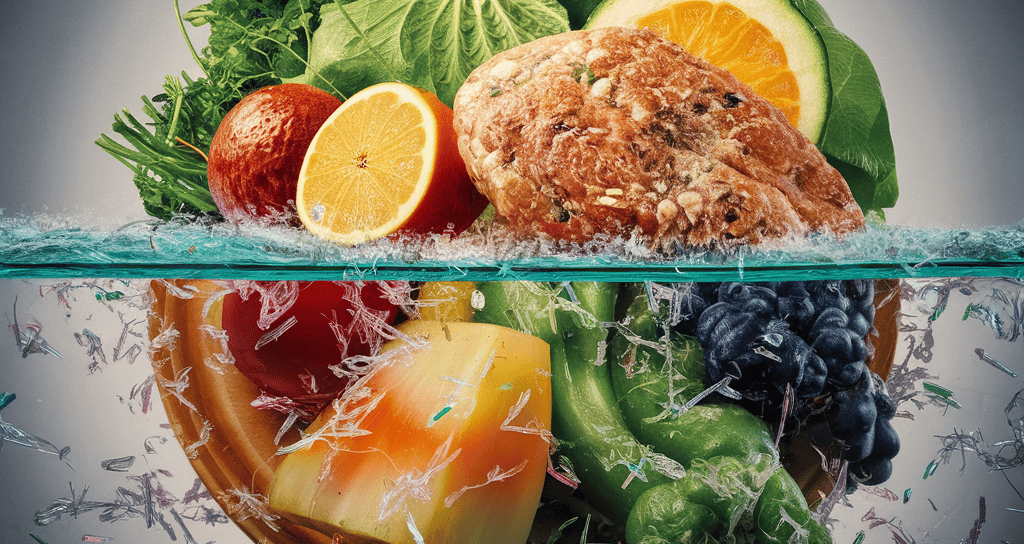
Imagine this: you’re sitting down to enjoy a beautiful plate of fish, fresh from the ocean, paired with a side of rice and a pinch of sea salt. But wait—there's a special, hidden ingredient in there, courtesy of humanity's passion for plastic. Yes, you’ve probably guessed it: microplastics! These uninvited guests are now part of the food chain, infiltrating our seafood, table salt, honey, water, and much more. The worst part? They’re not only showing up unannounced, but they’re also bringing along some unwelcome health risks.
Microplastics, by definition, are pieces of plastic less than 5 millimeters long (about the size of a sesame seed or smaller). These tiny fragments come from larger pieces of plastic that degrade over time or from items like synthetic fibers and microbeads in cosmetics. And despite their size, microplastics pack a major punch when it comes to environmental impact. Unfortunately, they're now making an unwelcome journey from landfills to water, soil, and food sources—and finally, to our dinner tables.
How Microplastics Invade the Food Chain
So, how exactly do microplastics find their way from landfills to our food? It’s a story worthy of a detective novel, except in this case, the plot is disturbingly simple. Picture it: every year, an estimated 300 million tons of plastic are produced globally, with about 14 million tons finding their way into oceans. Plastic waste is continuously battered by sunlight, water, and wind, breaking down into progressively smaller pieces. These particles don’t degrade entirely; instead, they become tiny fragments that float about in oceans and rivers like invisible confetti.
These microplastics are quickly consumed by plankton, which in turn, are consumed by small fish, which are then consumed by larger fish…you see where this is going. Even plant life isn’t immune; microplastics have been detected in soil, meaning they can infiltrate the agricultural food chain as well. This pathway of microplastics isn’t a theory—it’s an observed reality, confirmed by numerous studies. Fish, shellfish, salt, water, and honey have all been found to contain microplastics. Even table salt from brands worldwide has been found to contain an average of 550 microplastic particles per kilogram.
Health Risks: More Than Just a Nuisance
It’s easy to shrug and think, “So what if there’s plastic in my food? Isn’t it harmless?” Unfortunately, not quite. While we don’t yet have full visibility into the long-term health impacts, what we do know is concerning enough. Microplastics are tiny but mighty carriers of toxins, capable of binding to heavy metals, persistent organic pollutants (POPs), and even bacterial pathogens.
When consumed, microplastics can cause a range of biological responses. Studies in animals have shown that microplastics can trigger inflammation and accumulate in tissues. In fish, for instance, microplastics have been observed to lead to stunted growth, altered feeding behavior, and even death. In humans, it’s believed they might disrupt hormone regulation and immune function, though this is still an area of ongoing research. Still, findings so far are worrisome enough that researchers caution against dismissing the issue.
But the dangers aren’t limited to the plastics themselves. Plastic particles have a knack for attracting a cocktail of hazardous substances as they drift through our environment. These toxins, often far more damaging than the plastic particles themselves, hitch a ride on microplastics straight into the food chain, like unwanted VIP guests at an already troublesome party.
A Few Examples: Where Exactly Are Microplastics Showing Up?
To make the issue clearer, let’s examine a few everyday foods where microplastics have been detected:
Fish and Shellfish: Marine life is ground zero for microplastic exposure. Studies have found microplastics in seafood items, from small crustaceans to larger fish, as well as in shellfish like oysters and mussels. The biggest offenders? Plastic bottles, bags, and food wrappers, which make up the majority of plastic litter in oceans. When this waste degrades, it’s ingested by marine life at all levels of the food chain.
Sea Salt: A study analyzing sea salt from different brands worldwide found an alarming prevalence of microplastics, largely due to the contamination of oceans by plastic waste. Some estimates suggest that regular salt users could be ingesting thousands of microplastic particles annually—an extra seasoning no one asked for!
Packaged Foods and Drinks: Even items stored in plastic packaging aren’t safe. Studies have shown that microplastics can leach into food, especially when exposed to heat. That plastic water bottle you left in your car on a hot day? It’s likely leaching microplastics and chemicals, like BPA and phthalates, into the water inside. Microplastics have also been found in common packaged foods, from rice to canned goods and even baby food.
Produce and Agricultural Products: Packaging doesn’t just impact processed foods; plastic packaging waste also contaminates soil and water, affecting the agricultural products we rely on. Microplastics have been detected in soil and fertilizer, meaning that crops could absorb these particles as they grow. Even compostable packaging is not entirely free from risk, as it can break down and release microplastics into the soil.
What’s Being Done? A Closer Look at Solutions
Here’s a fun fact: plastics aren’t biodegradable. They’ll break down into smaller and smaller pieces over time, but they won’t ever fully “disappear” as organic matter does. So, every piece of plastic ever made still exists in some form or another. This fact alone has spurred calls for increased recycling, reduced plastic usage, and stricter waste management regulations worldwide.
Some initiatives aim to stop plastic pollution at the source. International treaties, like the Basel Convention, aim to limit the movement of hazardous waste and reduce plastic waste exports. The EU has banned many single-use plastics, and similar bans are in place or being considered in other countries.
In the private sector, companies are working on bio-based, biodegradable alternatives to plastic, though these alternatives face challenges of their own, like cost and production scalability. Researchers are also developing more efficient wastewater treatment methods to trap microplastics before they reach oceans and rivers. While these efforts show promise, they only begin to scratch the surface of the larger issue.
What Can We Do Personally?
Let’s not pretend that this is only the responsibility of governments and corporations. As consumers, we hold more power than we might think. Reducing personal plastic use, opting for reusable alternatives, and supporting brands that prioritize eco-friendly packaging all contribute to lowering overall plastic demand. Here are a few tips that are practical and effective:
Say No to Single-Use Plastics: Bring reusable bags, water bottles, and cutlery to reduce dependence on disposable plastics.
Choose Glass Over Plastic: Whenever possible, choose products packaged in glass or metal over plastic. Glass is infinitely recyclable and doesn’t degrade into harmful particles.
Support Local and Organic Products: Microplastic contamination can occur throughout production and packaging, so opting for local, organic foods with minimal packaging can help reduce exposure.
Stay Informed: Knowledge is power. As science uncovers more about microplastics, staying informed and sharing information with others can help fuel the push for cleaner products and regulations.
Conclusion: Microplastics – Here to Stay (Unless We Do Something)
The reality is sobering: microplastics are here, embedded in our environment and our food, thanks to a global obsession with convenience and disposability. The tiny plastic particles that hitch a ride up the food chain are more than just pollutants—they’re a mirror reflecting society's choices and priorities.
Reducing microplastic pollution is a marathon, not a sprint. It requires collective action, accountability, and innovation on an unprecedented scale. And while we might not be able to eliminate them from our food entirely just yet, every step toward a more sustainable lifestyle helps. In the end, perhaps the most profound takeaway is that in protecting our environment, we’re not only safeguarding wildlife and ecosystems—we’re protecting our dinner tables, our bodies, and ultimately, ourselves.